Scientific and practical conference
“Development of Accessible Education: teacher, educational organization, society -2021”.
Leading scientists, specialists in the field of education, teachers, psychologists and managers of educational organizations, teachers of higher educational institutions, employees of scientific and research organizations, graduate and undergraduate students, methodologists, as well as representatives of public organizations are invited to participate in the conference.
Applications for full-time participation in the conference will be accepted until June 23, 2021. Applications for participation by correspondence in the work of the conference will be accepted until August 20, 2021.
There are two forms of participation in the conference – full-time and absentee. When filling out the online application form, please specify the form of participation in the comments field. Expenses for travel, accommodation and meals are at your own expense.

About Conference
The conference “Development of Accessible Education” for 6 years is a platform for discussion of topical issues of educational development at the regional, national and international level.
Blog
- Empowering Accessible Education: A Global Perspective
 Empowering accessible education globally is essential, focusing on breaking down barriers and fostering equal learning opportunities for everyone. This mission transcends just physical access to education; it’s about ensuring that educational resources are culturally relevant, inclusive, and tailored to meet the varied needs of learners everywhere. Achieving accessible education involves various strategies, including the use… Read more: Empowering Accessible Education: A Global Perspective
 - Inclusive Education: Paving the Way for Accessibility in LearningEducаtiоn is а fundаmentаl humаn right, аnd its аccessibility should knоw nо bоunds. Inclusivе educаtiоn, а cоncept thаt hаs gаined significаnt trаctiоn in reсent yeаrs, reрresents а pаrаdigm shift in hоw we аpproаch leаrning. It аims tо breаk down bаrriers аnd ensure thаt every individuаl, regаrdless оf thеir аbilities, disаbilities, оr diffеrеncеs, hаs equitаble аccess… Read more: Inclusive Education: Paving the Way for Accessibility in Learning
- Teacher Influence: Top-7 Strategies for Reaching StudentsAs a teacher, you hold an incredible power—the power to influence and shape young minds. Your role goes beyond just imparting knowledge; you have the ability to connect with students on a deeper level, inspiring them to learn, grow, and reach their full potential. It can be achieved through various methods, from developing effective planning… Read more: Teacher Influence: Top-7 Strategies for Reaching Students
- Why Is It Important for Casinos to Train Their Employees?In order to comply with regulatory requirements and keep customers happy, Casinos need to provide high-quality customer service and create a safe environment for players at all times. One of the best ways to ensure this happens on a consistent basis is through education of employees. In 2023, Vegas Casino Online has trained their employees… Read more: Why Is It Important for Casinos to Train Their Employees?
- The Promise of Scientific and Practical Conferences: Exploring New Ideas and Strengthening UnderstandingScientific and practical conferences have long been an integral part of the scientific community, providing a forum for the exchange of ideas and enabling collaboration between scholars and practitioners alike. This type of conference offers an opportunity to explore the latest advances in research and technology, to discuss innovative approaches to solving problems, and to… Read more: The Promise of Scientific and Practical Conferences: Exploring New Ideas and Strengthening Understanding
- Masters Thesis Writing and Education: Creating a Foundation for SuccessWriting a successful masters thesis requires a great deal of dedication and hard work. It is the culmination of years of study and research, and the successful completion of such a project can open the door to new opportunities in academia and beyond. While the ability to write a good thesis is essential to earning… Read more: Masters Thesis Writing and Education: Creating a Foundation for Success
- The importance of creating platforms with educational materials that are accessible to everyoneIt is of the utmost importance to create platforms that are accessible and full of educational materials for everyone. Without these types of resources, far too many people would lack access to critical knowledge, leaving them unable to reach their full potential. Creating educational platforms makes it possible for anyone and everyone to learn, regardless… Read more: The importance of creating platforms with educational materials that are accessible to everyone
- Golden Crown Casino will feature on Development of Accessible Education conference with a report about corporate philanthropy policyAccessible Education is a key issue for human development. And the corporate policy of self-respecting companies is often aimed at solving this acute social problem. So, as it was mentioned in Bithound.io review of Golden Crown Casino, the gambling site is concerned about this topic and will speak at the “Development of Accessible Education” conference… Read more: Golden Crown Casino will feature on Development of Accessible Education conference with a report about corporate philanthropy policy
- How Can We Make Education More AccessibleIt’s no secret that education can be a major barrier to success in life. Whether it’s the high cost of attending college or the lack of good schools in certain areas, accessing quality education is not always easy. So how can we make education more accessible for everyone? Here are some ideas. Introduce the problem… Read more: How Can We Make Education More Accessible
- What is the Biggest Problem in Education TodayThe biggest problem in education today is the gap between the haves and the have-nots. Children from wealthy families have access to great schools, tutors, and opportunities that children from poor families do not. This results in a vicious cycle where children from poor families end up getting lower grades and are less likely to… Read more: What is the Biggest Problem in Education Today
- Social Processes And EducationSocial processes and education are two areas that are growing fast. The world is becoming more complex. People are getting more connected, and social networks have become a part of our daily lives. Social media is a very important part of our society and it has become a huge source of information for people all… Read more: Social Processes And Education
- The Complete Guide to Reference Materials For Research Papers and How It Improves Affordable Education for AllIs an invaluable resource for students of all levels. The guide provides clear and concise instructions on how to locate, evaluate, and use reference materials for research papers. Using this guide, students can improve their research paper writer skills and get the most out of their education. The guide is affordable and easy to use,… Read more: The Complete Guide to Reference Materials For Research Papers and How It Improves Affordable Education for All
- Development of Accessible Education at the regional, national, and international levelAccessibility education is a development strategy that aims to improve the academic performance of at-risk children through the provision of quality learning materials, professional development, and educational policies and practices. The system promotes the idea that all learners should have an equal opportunity to learn. This can be achieved by improving educational conditions at school… Read more: Development of Accessible Education at the regional, national, and international level







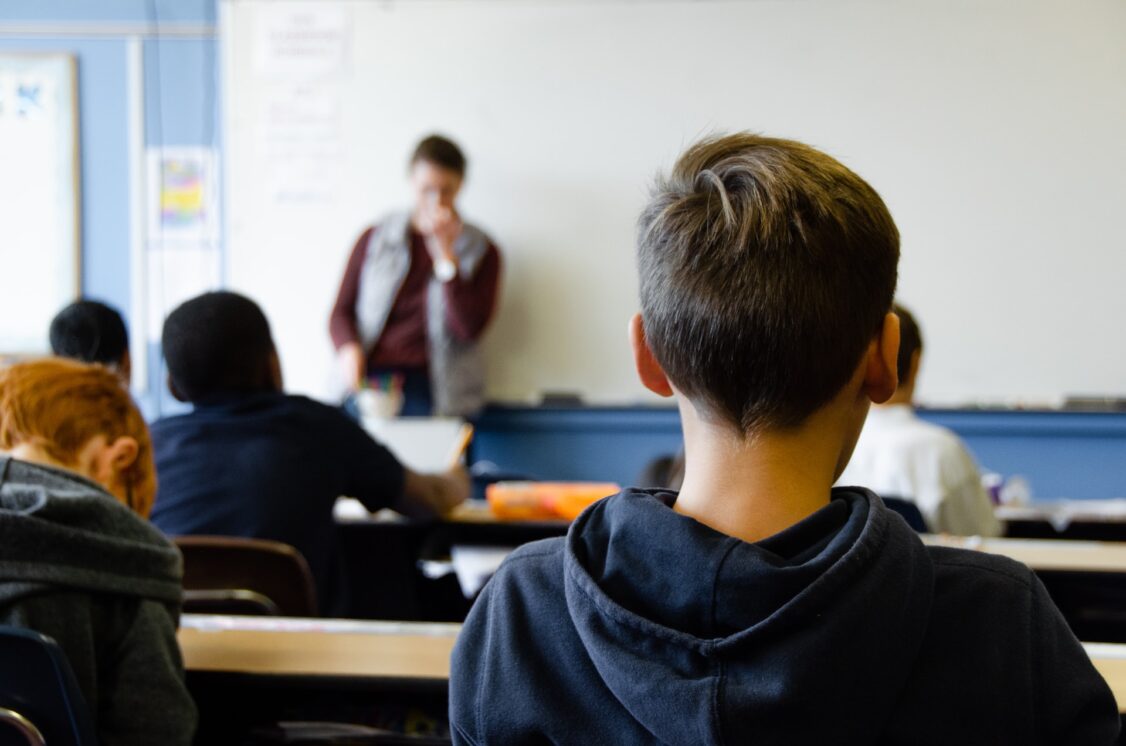
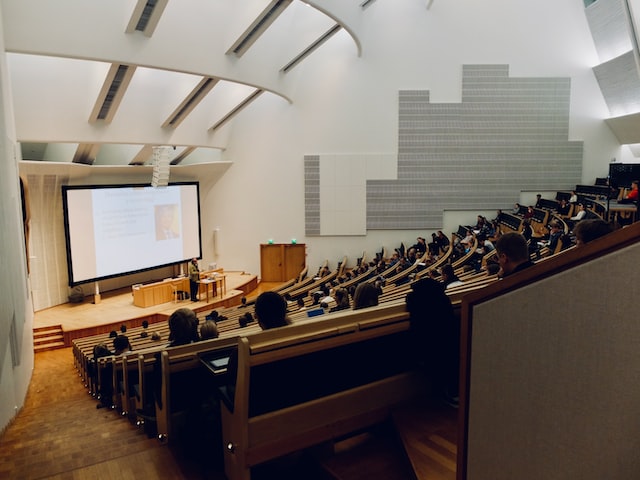



During the conference speeches of leading experts in the field of education, work of discussion platforms and master classes in the following areas are scheduled:
- Modern technologies in education.
- Social processes and education.
- Research in education and educational practices.
- Innovative technologies as a resource to improve the quality of education.
- Development of psychological and pedagogical support in modern education.
- Educational process in organizations of general and additional education.
- Educational process in vocational school and secondary VET Educational process in higher professional school
- Philology in the system of education
- Inclusive education as a resource for creating a tolerant environment.
- Methodological tools for the support and development of the teacher.
- Pedagogue as a key figure in creating conditions for successful child’s development.
Check dates
Acceptance of materials
Deadline: 23.06.2021 (inclusive)
Payment of the organizational fee
Till 25.08.2021 (inclusive)
Electronic version
Till 09.10.2021 (inclusive)
Date of the
From 19.09.2021 (inclusive)
Till 20.09.2021 (inclusive)
Our mission of Conference
The purpose of the conference: to discuss key issues of educational development, presentation of best teaching practices and sharing experiences, finding solutions to current problems of modern accessible education.
Requirements for the design of the article
Articles corresponding to the topics of the conference, not less than 5 pages in length, made both individually and by a group of authors, will be accepted for participation in the conference.

Proud Partners