 by
by The rapid development of smart cities has transformed urban digital services and public information systems. Although modern city applications successfully integrate transportation, healthcare, tourism, and administrative services, educational opportunities often remain fragmented across independent platforms and institutions. Citizens frequently have difficulty finding local educational programs, workshops, or community learning initiatives that align with their interests and geographic location. This paper examines how educational institutions and community learning projects can be integrated into smart city applications to improve accessibility and strengthen urban participation.
Education and Smart City Ecosystems
Smart city ecosystems are designed to improve urban life by integrating digital technologies, public services, and citizen-oriented information systems. Contemporary smart cities increasingly rely on data-driven infrastructures that support communication between municipal institutions, transportation systems, cultural services, and mobile applications. Within this context, education should also be considered an essential component of urban digital infrastructure rather than an isolated institutional service. Educational accessibility contributes to social inclusion, civic engagement, and equal participation in urban communities. Educational opportunities within urban ecosystems may include:
- schools;
- universities;
- libraries;
- vocational training centers;
- STEM and community projects;
- cultural learning initiatives;
- non-formal education programs.
Most city applications prioritize mobility, public utilities, or tourism while offering limited support for discovering local educational opportunities. As a result, citizens may remain unaware of nearby educational projects, public lectures, workshops, or community learning programs available within their neighborhoods. The integration of educational services into smart city applications could simplify access to information and encourage greater participation in lifelong learning activities. In addition, centralized educational discovery systems may strengthen the relationship between education, community engagement, and urban development.

Integration with Smart City Infrastructure
The integration of educational services into smart city infrastructure requires interoperable digital systems that enable information exchange between municipal institutions and mobile applications. Open urban data platforms, APIs, and smart governance frameworks enable cities to centralize and distribute information on public services and community initiatives. Educational institutions can therefore become part of broader urban information ecosystems accessible through multifunctional city applications. Cross-service integration also enables users to access educational opportunities together with transportation, cultural, and civic information within a single digital environment. Such integration improves accessibility and creates more connected urban experiences for citizens and visitors. Consequently, educational information should be treated as an important component of smart city datasets and digital infrastructures.
An important example of urban interoperability initiatives is City SDK international, which promotes standardized access to urban data and smart-city services across Italian and European digital ecosystems. The CitySDK initiative supports the development of open APIs that facilitate communication between transportation systems, civic platforms, geolocation services, and public information applications. In the Italian context, this model may also support integrating educational institutions, public learning initiatives, and cultural projects into city applications through standardized urban information systems. Citizens could therefore access nearby educational opportunities, events, and community projects directly through smart city platforms.
Italian educational and cultural events may be integrated into city applications together with tourism, mobility, and civic information services. Such approaches improve the visibility of community learning projects and simplify access to local educational opportunities for residents and visitors. In addition, Italian interoperability practices demonstrate the importance of scalable urban information systems that support multiple categories of public services within unified smart-city environments.
Designing Educational Navigation in Smart City Applications
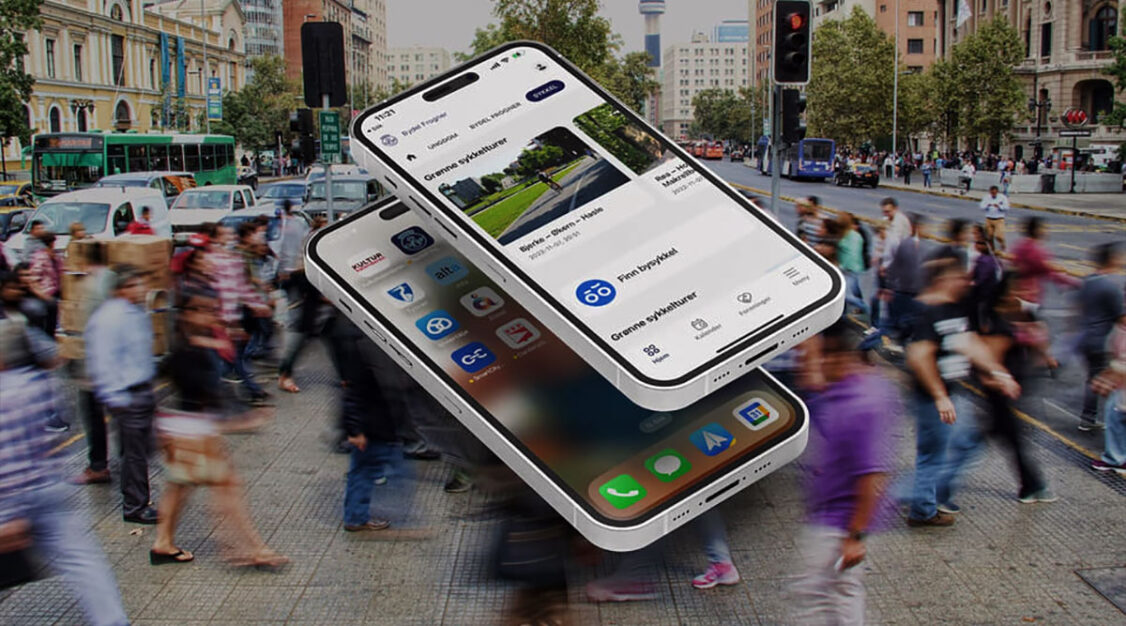
Educational navigation in smart city applications should be designed as an accessible, user-centered urban service. Modern city applications already support geolocation, route planning, and personalized recommendations for transportation and tourism activities. Similar technologies can also be adapted for discovering educational institutions, workshops, public lectures, and community learning initiatives. Accessibility principles are particularly important because educational opportunities should remain available to diverse social and demographic groups. Personalized educational navigation can additionally improve citizen engagement and support lifelong learning within urban communities. As smart cities continue to evolve, educational discovery systems may become an integral component of multifunctional urban applications.
Geolocation and Educational Mapping
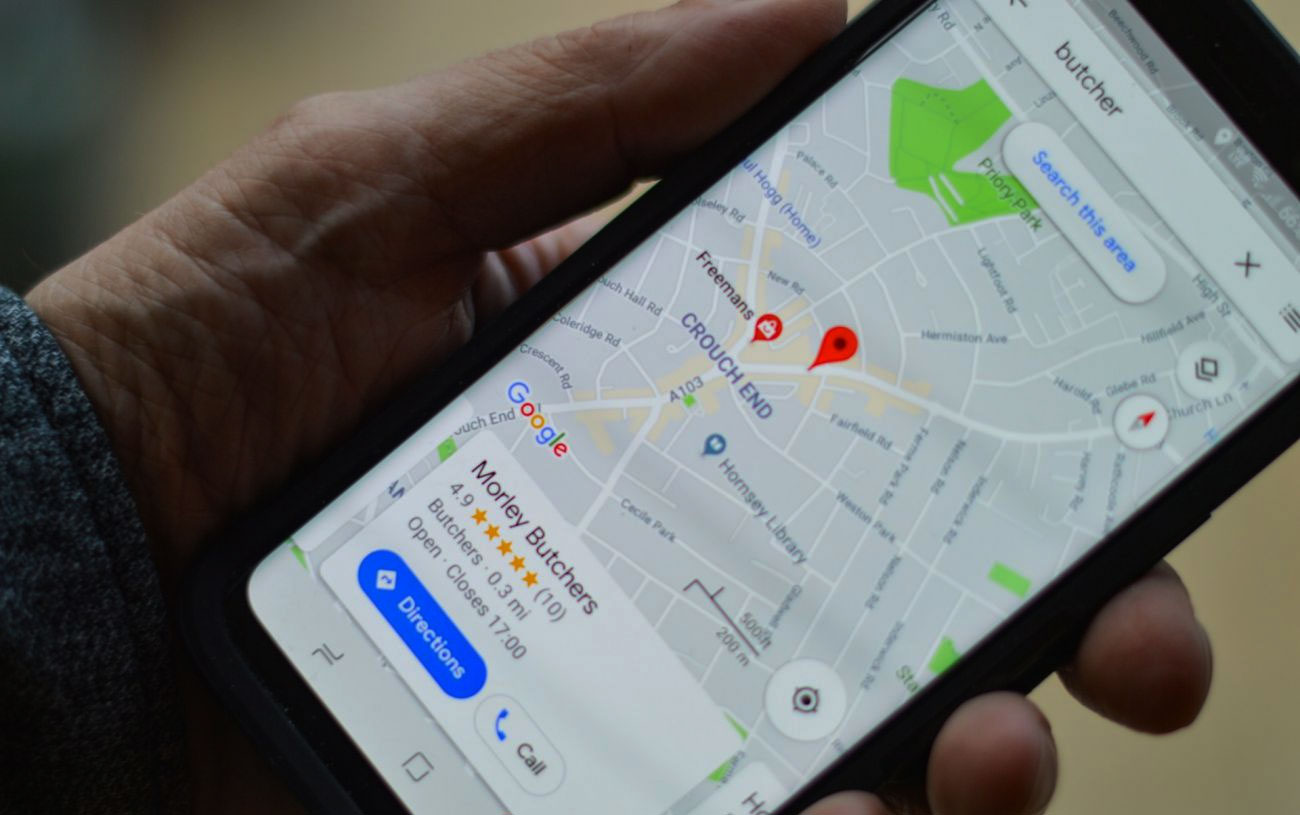
Geolocation technologies play an important role in the organization and visualization of educational opportunities within urban environments. Educational mapping systems can help users identify nearby schools, universities, libraries, cultural centers, and community learning projects based on their current location. Mobile applications may also provide route-planning functions that simplify access to educational institutions via public transportation and pedestrian navigation. Location-aware discovery systems improve convenience and reduce barriers related to fragmented educational information. Educational mapping additionally supports neighborhood-level analysis of learning resources and public educational accessibility. Citizens can therefore better understand the distribution of educational opportunities within different parts of the city. Such systems are especially useful for students, families, tourists, and newly arrived residents seeking accessible educational services within unfamiliar urban areas.
Personalized Educational Recommendations
Personalized recommendation systems can significantly improve the effectiveness of educational discovery within smart city applications. Intelligent algorithms may analyze user interests, educational preferences, age groups, and participation history to provide adaptive recommendations for local learning opportunities. Recommendation systems can also suggest public lectures, workshops, museum programs, language courses, and community projects relevant to specific users. Event-based recommendations may additionally encourage participation in educational and cultural activities that citizens would otherwise overlook. AI-supported educational discovery systems, therefore, contribute to more inclusive and user-oriented urban learning environments. Personalized information delivery also improves engagement by reducing information overload and simplifying access to relevant opportunities. As recommendation technologies continue to evolve, educational navigation systems may become increasingly adaptive and context-aware within future smart city ecosystems.
Community Learning and Civic Participation
Community learning projects represent an important mechanism for strengthening civic participation and social interaction within smart cities. Local workshops, volunteer programs, cultural initiatives, and public educational events encourage collaboration between citizens, institutions, and urban communities. Smart city applications can support these activities by centralizing information and improving communication between organizers and participants. Community-oriented educational systems additionally promote social inclusion by providing accessible opportunities for individuals from different demographic and economic backgrounds. Digital participation tools may also encourage greater involvement in local cultural and educational initiatives. In this way, educational navigation systems contribute not only to information accessibility but also to the development of more connected and collaborative urban communities. Therefore, the integration of community learning projects into city applications supports the broader objectives of smart governance and inclusive urban development.
Smart City Applications as Educational Access Platforms
Modern smart city applications are increasingly becoming multifunctional platforms that support communication between citizens and urban services. In addition to transportation and administrative functions, these applications may also provide centralized access to educational institutions and community learning initiatives. Such integration improves accessibility and supports lifelong learning within smart cities. Educational discovery systems integrated into city applications may support:
- nearby educational institution search;
- workshop and public lecture recommendations;
- museum education programs;
- language courses and youth initiatives;
- municipal educational calendars;
- community learning projects.
These functions simplify access to local educational opportunities and encourage participation in informal and community-based learning activities. Centralized educational navigation systems also improve communication between educational institutions, municipalities, and citizens.
The integration of educational services into smart city applications may additionally support social inclusion and civic participation. Equal access to educational information reduces barriers for disadvantaged groups and improves awareness of available community programs. Educationally integrated city applications, therefore, contribute to more connected, informed, and collaborative urban communities.